
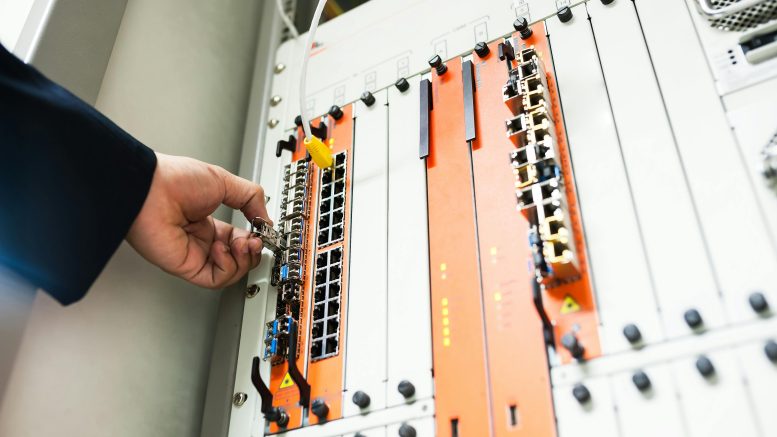
Today, electronic devices are integral to homes and businesses in this age of technology. Some examples of these electronic devices are computers/servers, medical devices, and industrial networking systems. For any electronic device to function properly at maximum efficiency, it requires a constant and steady flow of electrical energy.
Unfortunately, this type of issue commonly occurs and results in damage to electronic devices or loss of information stored on devices as a result of sudden loss of power or other electrical issues. The solution to these common issues is an Uninterruptible Power Supply. These systems have been created to protect computer/medical devices and ensure that your business continues to function smoothly, even when issues occur with the flow of electrical energy.
Understanding Uninterruptible Power Supply
A UPS is a device that allows a user to switch to battery backup when the primary electricity source has been lost. These devices switch to battery power almost instantaneously without delay. It means that whatever is plugged into a battery backup system has the potential to remain operational during this transitional period of time, regardless of how long it takes to restore power.
Benefits of Using UPS
1. Protection in Outages
The most apparent benefit of using an Uninterruptible Power Supply is the protection it provides against unexpected power outages. The sudden interruption of electrical service may leave electronics, such as computers and servers, vulnerable not only to data loss but also to potential hardware failure due to an unanticipated power outage.
By providing users additional time to save their work, perform a safe shutdown of electronic devices, or allow users to continue supporting operations until power is restored, UPS devices provide a level of reliability in an increasingly electronic workplace.
2. Voltage Fluctuation Protection
Power outages aren’t the sole form of power disruption; however, voltage spikes, sags, and surges can occur regularly, resulting in harm to users of electronic equipment. A battery backup system provides a consistent supply of voltage to the attached devices, thus preventing overheating, stress on components and equipment failure through continued use.
3. Protecting Data and Maintaining System Integrity
When power goes out, the greatest risk to an enterprise is the risk of data loss. When equipment is subjected to a sudden power off, the system may suffer data corruption, damaging the operating system or interrupting some processes. The UPS would keep the system in an acceptable state long enough to protect this. For a business utilizing an uninterruptible power supply, this means protecting its data, productivity, and ultimately, its bottom line by avoiding lost revenue from downtime.
How to Save Money by Extending Equipment Life?
A power backup system is designed to provide a continuous flow of reliable power, as well as protect electrical equipment from power surges and other types of electrical disturbance. Electrical equipment that lacks reliable access to electricity is typically subject to constant maintenance and replacement. Therefore, purchasing a quality UPS can help save money on repairs.
Conclusion
A UPS system offers a full range of power protection options for all types of electronic devices. This system protects against power outages, fluctuations in voltage levels, and the potential for losing data. Regardless of whether you are using it at home or running a major business, by spending money on an Uninterruptible Power Supply, you can rest assured that you will have consistent, reliable power available when you need it the most.

Be the first to comment on "How Does a UPS System Protect Your Devices from Power Failures?"