
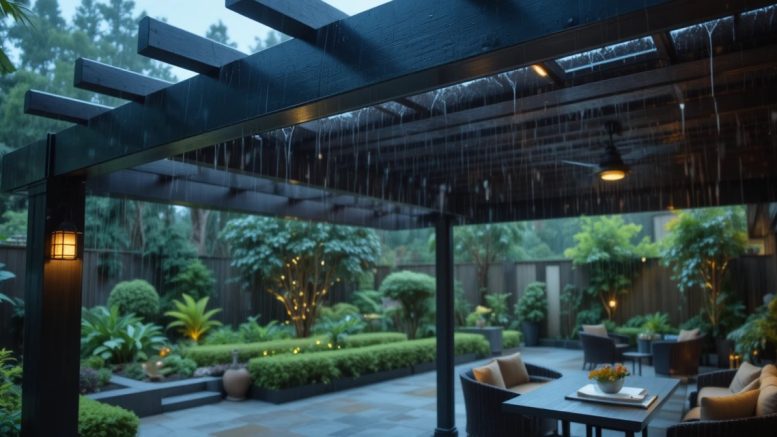
Pergolas have become a defining feature in backyard design, offering structure, shade, and a sense of purpose to outdoor spaces. As these structures evolve to include more functional elements, homeowners are paying closer attention to how they perform in different weather conditions. One aspect that is often overlooked during planning is water management.
While pergolas are traditionally open structures, many modern designs incorporate solid or partially covered roofs. This shift introduces the need for proper drainage solutions. Without a system to manage rainwater, even a well-built pergola can lead to issues such as pooling, splashing, and long-term wear on surrounding surfaces.
Why Water Management Matters in Pergola Design
Rainwater can significantly impact the usability and longevity of an outdoor space. When water is not properly directed away from a pergola, it can accumulate on surfaces, damage nearby landscaping, and create uncomfortable conditions for those using the space. Addressing this early in the design process helps prevent these issues.
Incorporating gutters into a pergola system allows water to be collected and redirected efficiently. This not only protects the structure itself but also preserves the integrity of patios, decks, and surrounding features.
Protecting Structural Integrity
Excess moisture can affect both the pergola and the surfaces beneath it. Over time, standing water may lead to deterioration, especially in areas where drainage is limited. By channeling water away from the structure, gutters help maintain stability and reduce the risk of long-term damage.
This is particularly important for aluminum-based systems, where proper drainage ensures that the finish and structural components remain in good condition.
Understanding Gutter Systems for Pergolas
Gutter systems designed for pergolas function similarly to those used on roofs, but they are adapted to suit the scale and design of outdoor structures. They collect rainwater along the edges of the pergola and direct it toward downspouts or designated drainage areas.
The effectiveness of a gutter system depends on proper installation and alignment. Even minor inconsistencies in slope or placement can affect how well water is managed.
Key Components of a Functional System
A typical pergola gutter system includes channels, downspouts, and connectors that guide water away from the structure. The materials used should be compatible with the pergola itself to ensure durability and visual consistency. Aluminum gutters, for example, pair well with alumawood pergolas due to their similar properties.
Careful planning ensures that the system integrates seamlessly with the overall design, maintaining both functionality and aesthetics.
Installation Considerations for Pergola Gutters
Installing gutters on a pergola requires attention to detail and an understanding of how water flows across the structure. The angle of the roof, the placement of beams, and the surrounding landscape all influence how the system should be configured.
For homeowners seeking guidance on installing gutters on pergola systems, it is helpful to consider both the structural and environmental factors that affect performance.
Ensuring Proper Slope and Drainage
One of the most important aspects of gutter installation is achieving the correct slope. This allows water to flow naturally toward the downspouts rather than pooling within the channels. Even a slight misalignment can reduce the efficiency of the system.
Additionally, the placement of downspouts should direct water away from high-traffic areas and foundations. This helps prevent erosion and maintains the usability of the outdoor space.
Integrating Gutters with Overall Backyard Design
Gutters should not be treated as an afterthought. When integrated thoughtfully, they can enhance both the functionality and appearance of a pergola. Matching materials and finishes ensures that the system blends seamlessly with the structure.
Homeowners often find that combining practical features with thoughtful design creates a more cohesive outdoor environment. For inspiration, resources like these tips on preventing grass from growing under fences highlight how different elements can work together to elevate a space.
Balancing Function and Aesthetics
While the primary purpose of gutters is functional, their visual impact should not be overlooked. Choosing designs that complement the pergola’s style helps maintain a polished appearance. This is especially important in spaces where the pergola serves as a focal point.
Subtle integration ensures that the system supports the overall design without drawing unnecessary attention.
Maintenance and Long-Term Performance
Like any outdoor feature, gutter systems require periodic maintenance to remain effective. Leaves, debris, and dirt can accumulate over time, potentially blocking the flow of water. Regular cleaning helps prevent these issues and ensures consistent performance.
Aluminum gutter systems are generally low-maintenance, making them a practical choice for pergolas. Their resistance to corrosion and weather-related damage contributes to long-term reliability.
Adapting to Seasonal Changes
Different seasons bring varying challenges for outdoor structures. In areas with heavy rainfall, gutters play a critical role in managing water flow. During drier periods, maintenance ensures that the system remains ready for the next weather change.
Exploring ideas from resources like these outdoor patio and pergola concepts can provide insight into how functional features like gutters fit into broader design strategies.
The Role of Professional Installation
While some homeowners may consider installing gutters themselves, professional installation often provides more reliable results. Experienced contractors understand how to assess the structure, determine the correct slope, and ensure that all components are properly aligned.
Companies such as Royal Covers have experience integrating gutter systems with pergolas, ensuring that both performance and design are addressed. Their expertise can help avoid common issues and ensure that the system functions as intended.
Enhancing Outdoor Comfort Through Smart Design
Adding gutters to a pergola is not just about managing rainwater—it is about improving the overall usability of the space. By directing water away from seating areas and walkways, gutters make the space more comfortable during and after rainfall.
This added functionality allows homeowners to enjoy their outdoor areas with fewer interruptions, making the pergola a more versatile feature.
Final Thoughts on Pergola Gutter Integration
Incorporating gutters into a pergola design reflects a thoughtful approach to outdoor living. It addresses practical concerns while supporting the longevity of the structure and surrounding features. When planned and installed correctly, a gutter system becomes an integral part of the pergola rather than an add-on.
By considering water management alongside design and materials, homeowners can create outdoor spaces that are both functional and visually cohesive. The result is a backyard environment that remains comfortable and resilient, regardless of changing weather conditions.

Be the first to comment on "Managing Rainwater in Outdoor Living Spaces: The Role of Gutters on Pergolas"